With the trend towards high performance and miniaturization of modern electronic devices, thermal management of battery cells has become one of the key challenges faced by design engineers. During operation, battery cells generate a large amount of heat. If not dissipated in a timely and effective manner, it may cause equipment overheating, affecting its performance, lifespan, and even causing safety issues. Thermal conductive silicone film, as an important thermal conductive material, plays a crucial role in battery cell thermal management due to its excellent thermal conductivity and good flexibility.
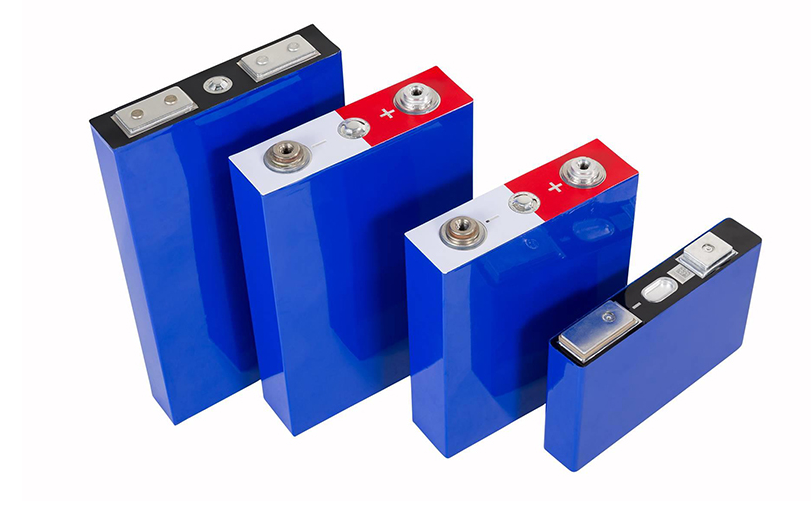
Basic characteristics of thermal conductive silicone film
Thermal conductive silicone sheet is a material composed of silicone rubber and thermal conductive filler, which has good thermal conductivity, flexibility, and insulation properties. The thermal conductive fillers are usually aluminum oxide, boron nitride, or zinc oxide, etc. The addition of these thermal conductive fillers greatly improves the thermal conductivity of the silicon film. In addition, thermal conductive silica gel sheet also has good heat resistance, compression resistance and anti-aging properties, which enable it to play a long-term and stable role in various complex working environments.

The mechanism of thermal conductive silicone sheet in battery cells
1. Thermal conduction effect
The heat generated by the battery cell during operation needs to be conducted out through a certain medium to avoid electrochemical reaction imbalance caused by high temperature. Thermal conductive silicone sheets, with their efficient thermal conductivity, can quickly transfer the heat generated by the battery cell to heat dissipation structures such as heat sinks or metal shells, effectively reducing the operating temperature of the battery cell and maintaining its stable performance.
2. Buffer and filling functions in thermal management
Thermal conductive silicone sheets not only have good thermal conductivity, but also serve as cushioning and filling materials between battery cells and heat sinks due to their soft nature. There may be some roughness or unevenness on the surface of the battery cell and the heat sink, and direct contact may result in insufficient contact area, affecting the heat dissipation effect. Thermal conductive silicone sheets can fill these small gaps, increase contact area, and thus improve thermal conductivity efficiency. At the same time, it can also buffer the impact of external pressure on the battery cell, avoiding damage to the battery cell due to mechanical stress.
3. Electrical insulation function
The thermal management of battery cells not only needs to consider thermal conductivity, but also safety. Thermal conductive silicone film not only has excellent thermal conductivity, but also has good electrical insulation performance. This feature is particularly important in high-density integrated electronic devices, which can effectively prevent electrical short circuits between cells or between cells and other electronic components, ensuring the safe operation of the equipment.
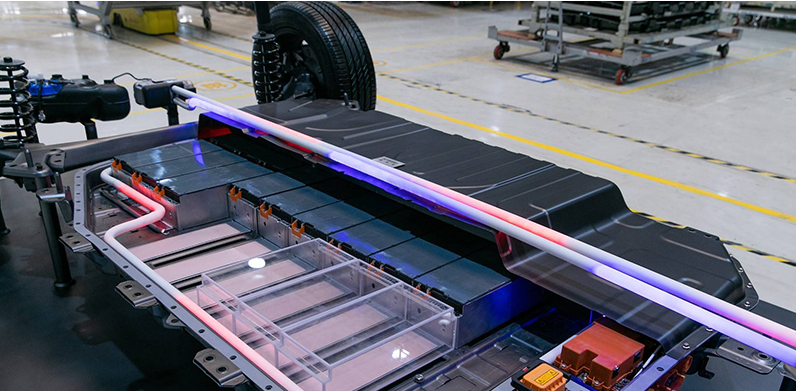
Application of Thermal Conductive Silicone Sheet in Battery Cells
In the heat dissipation design of battery cells, thermal conductive silicone sheets are usually used in the following areas:
Cell and shell: As a thermal conduction medium between the cell and the shell, it improves the efficiency of heat transfer from the cell to the shell.
● Cell and heat sink: Use thermal conductive silicone pads between the cell and heat sink to ensure rapid heat transfer to the heat dissipation system.
● Cell module: Inside the cell module, thermal conductive silicone sheets can be used to connect different cells and achieve uniform distribution of heat.
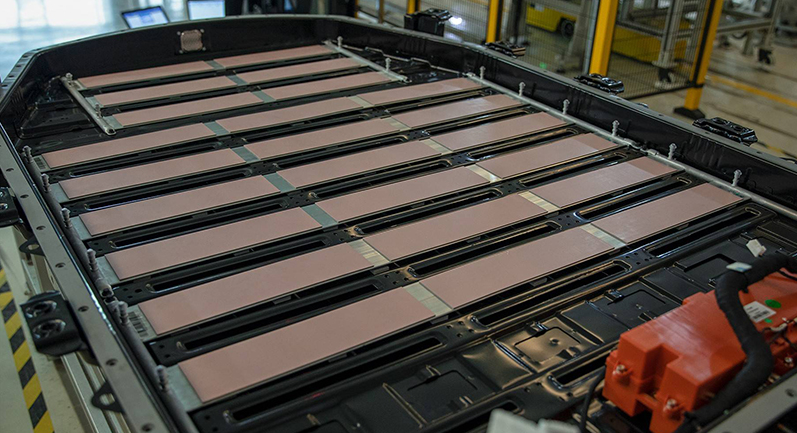
Application advantages of thermal conductive silicone film
1. Efficient heat dissipation, improving battery life
By using thermal conductive silicone sheets, battery cells can operate at lower temperatures, thereby extending their lifespan. Research has shown that for every 10 ° C decrease in the temperature of a battery cell, its lifespan can be doubled. Therefore, efficient heat dissipation management is crucial for extending the lifespan of battery cells.
2. Improve device performance and stability
Excessive temperature can lead to a decrease in battery cell performance, and may even cause thermal runaway, affecting the stability of the equipment. Thermal conductive silicone sheets can efficiently dissipate heat while maintaining the operating temperature of the battery cells within an ideal range, thereby improving the overall performance and reliability of the equipment.
3. Reduce device size and support design optimization
The efficient thermal management capability of thermal conductive silicon film enables equipment to be designed without excessive heat dissipation devices, significantly reducing equipment volume and supporting the miniaturization design of modern electronic devices. This not only improves the portability of the device, but also provides the possibility for optimizing the layout of the internal space of the device.
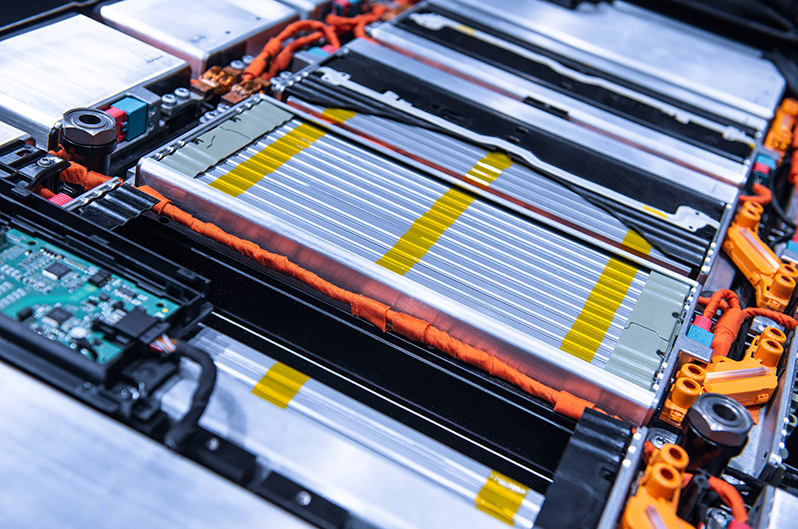
Performance optimization of thermal conductive silicone film
In order to further enhance the effectiveness of thermal conductive silicone sheets in battery cell heat dissipation, researchers and engineers are constantly exploring and optimizing their performance:
Selection of thermal conductive fillers: Optimize the thermal conductivity of silicone film by selecting different types and proportions of thermal conductive fillers.
Improvement of matrix material: By improving the formula of the silicone rubber matrix, its temperature resistance and durability can be enhanced.
Customization of thickness and shape: Customize the thickness and shape of the silicone film according to the heat dissipation requirements of the battery cell to adapt to different application scenarios.
Thermal conductive silicone sheets play an indispensable role in the thermal management of battery cells. Their excellent thermal conductivity, flexibility, and electrical insulation properties make them an important material in the thermal management of modern electronic devices. By using thermal conductive silicone sheets reasonably, engineers can effectively improve the heat dissipation efficiency of battery cells, extend their lifespan, and enhance the performance and safety of equipment. With the continuous improvement of electronic device performance, the application of thermal conductive silicone sheets in battery cells will become more widespread, and their importance will become increasingly prominent.

QQ客服1
QQ客服2
13713346890
dg_jnkj@163.com