In the rapid development of modern industrial automation and power electronics technology, frequency converters, as key equipment for controlling motor speed and torque, directly affect the reliability and efficiency of the entire system in terms of performance stability and operational efficiency. However, with the continuous increase in power density of frequency converters, heat dissipation issues have become increasingly prominent, becoming one of the key factors restricting their performance and application scope expansion. Thermal conductive silicone grease, as an efficient thermal interface material, plays an irreplaceable role in solving the heat dissipation problem of frequency converters.
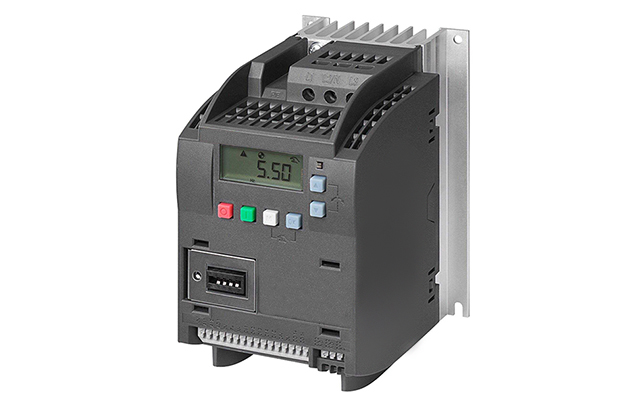
What is a frequency converter
A frequency converter is a device used to control the speed and torque of an AC motor. It adjusts the speed of the motor by changing the frequency and voltage of the input power supply, achieving energy-saving, precise control, and prolonging equipment life.
Working principle of frequency converter
The basic working principle of a frequency converter is to convert AC power with fixed frequency and voltage into AC power with adjustable frequency and voltage. The core steps include:
Rectification: Convert input alternating current (AC) into direct current (DC). This process is usually accomplished through diodes or rectifier bridges.
Filtering: The rectified DC current is often unstable and needs to be smoothed through a filter to make the current smoother.
Inverter: Convert smooth DC power back into AC power, but the frequency and voltage of the output AC power this time are controllable. Inverters achieve frequency and voltage regulation through a series of switches (such as IGBTs, insulated gate bipolar transistors) and pulse width modulation (PWM) techniques.
Output: Transmit adjustable frequency and voltage AC power after inversion to the motor, controlling the speed and torque of the motor.
The main functions of a frequency converter
Speed control: The frequency converter adjusts the output frequency to control the motor speed, thereby achieving precise control of various speeds. This is particularly important for industrial machinery that requires variable speed operation, such as conveyors, pumps, fans, etc.
Energy saving: By adjusting the speed of the motor, the frequency converter can significantly reduce energy consumption. Especially in applications that require frequent startup or partial load operation, the energy-saving effect is particularly significant.
Protection function: The frequency converter can provide various protection functions, such as overcurrent, overvoltage, undervoltage, overheating, etc., to protect the safety of the motor and system.
Soft start and soft stop: The frequency converter can achieve soft start and soft stop of the motor, avoiding the current shock and mechanical stress caused by direct start and stop, and extending the service life of the equipment.
Overview of Heat Dissipation Challenges for Inverter
During the operation of the frequency converter, a large amount of heat is generated due to the high-speed switching action of internal power electronic components (such as IGBT modules). If these heat cannot be dissipated in a timely and effective manner, it will cause the temperature of the device to rise, thereby affecting its working efficiency, reliability, and even service life. Although traditional air cooling or liquid cooling methods can alleviate the heat dissipation pressure to a certain extent, their limitations are becoming increasingly apparent in high-power density and compact structure designed frequency converters. Therefore, finding more efficient heat conduction pathways has become the key to solving heat dissipation problems.
The role of thermal conductive silicone grease in the heat dissipation of frequency converters
1. Improve heat conduction efficiency
The power components of the frequency converter generate a large amount of heat during operation, which needs to be quickly conducted out through a heat sink to prevent excessive temperature. Due to the difficulty in achieving complete flatness and close contact between power devices and heat sinks, small unevenness can lead to the existence of air gaps, resulting in poor thermal conductivity of air and increased thermal resistance, which affects heat transfer. Thermal conductive silicone grease can effectively fill these gaps, significantly reducing interfacial thermal resistance, thereby improving thermal conductivity efficiency and ensuring that power devices operate within a safe temperature range.
2. Extend the service life of equipment
Excessive working temperature not only affects the efficiency of the frequency converter, but also accelerates the aging of internal components and shortens the service life of the equipment. Thermal conductive silicone grease effectively reduces the operating temperature of the frequency converter, alleviates the damage of thermal stress to electronic components, and extends the service life of the equipment. This is particularly important for industrial equipment that requires long-term continuous operation, as it can significantly reduce failures and maintenance costs caused by equipment overheating.
3. Improve the stability and reliability of the equipment
In industrial environments, frequency converters often need to operate under high load and high temperature conditions, and changes in the working environment may further exacerbate heat dissipation issues. Thermal conductive silicone grease has good thermal stability and electrical insulation, and can maintain its thermal conductivity even in high temperature environments, thereby ensuring the stability and reliability of equipment. The use of thermal conductive silicone grease can effectively avoid circuit faults and short circuit risks caused by poor heat dissipation, and improve the overall safety of the frequency converter system.
Selection and application of thermal conductive silicone grease
1. Thermal conductivity
Thermal conductivity is an important indicator for evaluating thermal conductive silicone grease. Generally, the higher the thermal conductivity, the better the thermal conductivity of the material. When choosing thermal grease, it is necessary to select products with appropriate thermal conductivity according to the specific heat dissipation requirements of the frequency converter, in order to achieve the best heat dissipation effect.
2. Electrical performance
Due to the large number of circuits and electronic components inside the frequency converter, the electrical insulation performance of thermal conductive silicone grease is also an important consideration factor. High quality thermal conductive silicone grease should have excellent electrical insulation performance to avoid short circuits or other electrical faults caused by conductivity during application.
3. Durability and environmental adaptability
Frequency converters typically operate in complex industrial environments, so the durability and environmental adaptability of thermal conductive silicone grease are crucial. Thermal grease that can maintain stable performance in high temperature, high humidity, or highly corrosive environments should be selected to ensure its effective performance throughout the entire equipment lifecycle.
In modern industry, with the increasingly widespread application of frequency converters and the increasingly complex working environment, heat dissipation has become an important factor affecting equipment performance and lifespan. Thermal conductive silicone grease, with its excellent thermal conductivity, good electrical insulation, and strong environmental adaptability, has become an ideal material for solving the heat dissipation problem of frequency converters. By selecting and applying thermal conductive silicone grease reasonably, enterprises can not only significantly improve the efficiency and stability of frequency converters, but also extend the service life of equipment, reduce maintenance costs, and ultimately achieve higher economic benefits. Therefore, in the design and maintenance process of frequency converters, it is crucial to fully emphasize the role of thermal conductive silicone grease in order to improve the overall performance of the equipment.
PREV:The key role of thermal conductive silicone sheet in heat dissipation of network switches
NEXT:Thermal conductive silicone sheet designed specifically for electronic products

QQ客服1
QQ客服2
13713346890
dg_jnkj@163.com