Thermal conductive silicone film assists in efficient heat dissipation of new energy vehicle electronic control systems
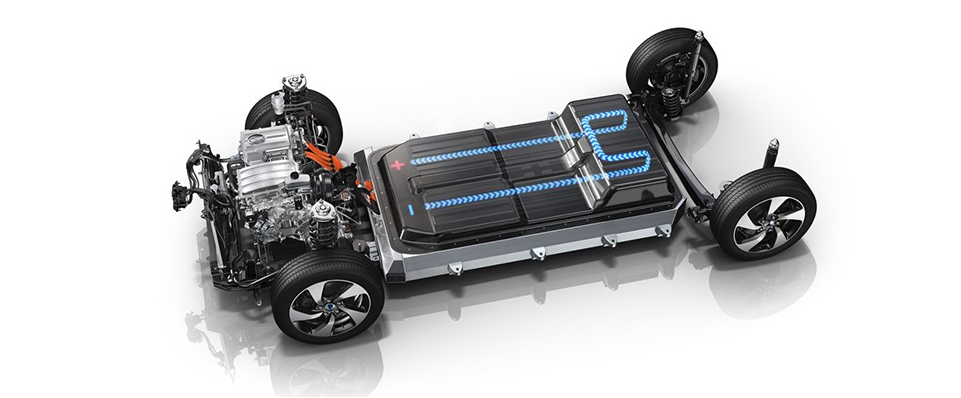
Against the backdrop of the increasingly prominent global energy crisis and environmental pollution issues, new energy vehicles, as a green and environmentally friendly means of transportation, are gradually receiving widespread attention and support from all sectors of society. With the continuous advancement of technology and the deepening of applications, new energy vehicles have made significant progress in terms of power performance, range, and intelligence level. However, the heat dissipation problem of the electronic control system of new energy vehicles has become an important bottleneck affecting their performance and reliability. Thermal conductive silicone film, as a new type of heat dissipation material, has become an effective way to solve this problem due to its excellent thermal conductivity and flexible application methods.
The heat dissipation problem of new energy vehicle electronic control system
Causes of heat dissipation issues
The heat dissipation problem of the electronic control system of new energy vehicles mainly stems from the following aspects:
High power density: Power electronic components in the electronic control system of new energy vehicles, such as motor controllers, inverters, and battery management systems, have high power density and generate concentrated heat, which can easily lead to local overheating.
Compact packaging: In order to reduce volume and weight, the design of electronic control systems tends to be highly integrated and compact, which increases the difficulty of heat conduction and dissipation.
Large environmental temperature changes: During the driving process of new energy vehicles, the external environmental temperature changes greatly, which puts higher requirements on the heat dissipation design of the electronic control system.
The impact of heat dissipation issues
Poor heat dissipation in electronic control systems can lead to a series of problems, including:
Performance degradation: Excessive temperature can affect the performance of power electronic devices, leading to a decrease in system efficiency.
Shortened lifespan: Long term high-temperature operation can accelerate the aging of electronic components and shorten their service life.
Safety hazards: Severe overheating may cause electrical control system failures, and even lead to safety accidents such as fires.
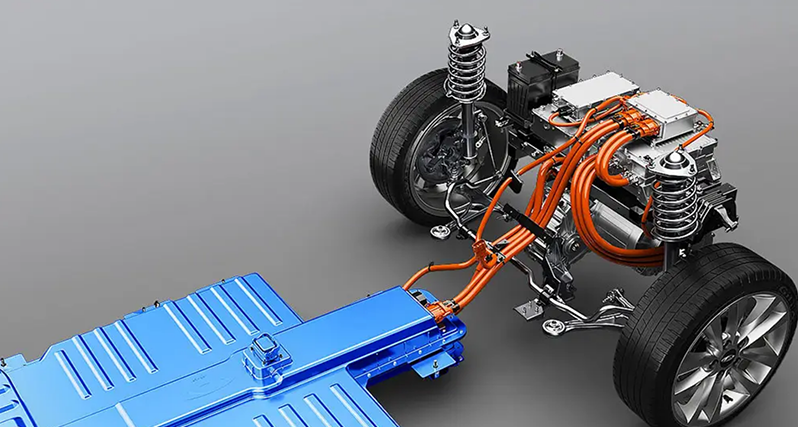
Basic characteristics of thermal conductive silicone film
Thermal conductivity
Thermal conductive silicone sheets have good thermal conductivity and can effectively transfer heat from the heat source to the radiator or other heat dissipation components. Its thermal conductivity is generally between 1.0 and 10.0 W/mK, and efficient thermal conductivity is achieved by filling the silicone matrix with high thermal conductivity ceramic particles such as alumina, boron nitride, and other materials.
Insulation performance
Thermal conductive silicone film not only has good thermal conductivity, but also excellent electrical insulation performance, which can prevent electrical short circuits while conducting heat, ensuring the safety of electronic control systems. This makes thermal conductive silicon film particularly suitable for heat dissipation management of power electronic devices.
Flexibility and compressibility
Thermal conductive silicone sheets have good flexibility and strong compressibility, and can tightly adhere between the heat source and the heat sink after applying a certain pressure, eliminating air gaps between the interfaces, reducing thermal resistance, and improving heat dissipation efficiency. In addition, its flexibility makes it more convenient to install and maintain, adapting to complex system structures.
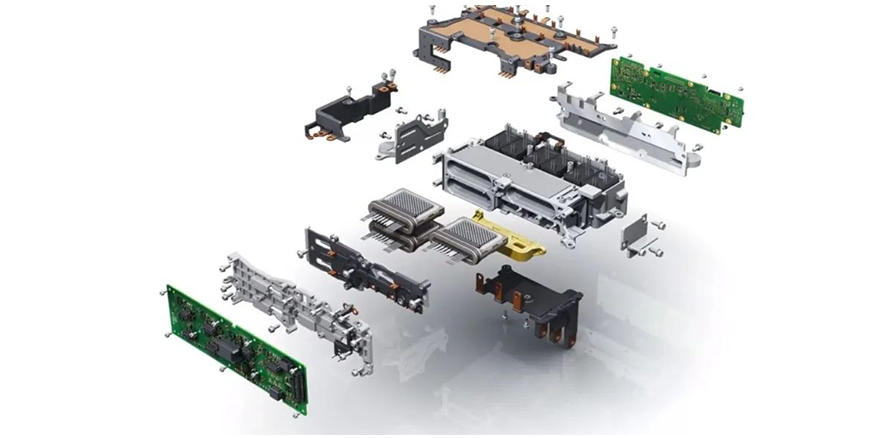
Application of Thermal Conductive Silicone Sheet in Heat Dissipation of New Energy Vehicle Electronic Control System
The application of thermal conductive silicone sheets in the heat dissipation of new energy vehicle electronic control systems is mainly reflected in the following aspects:
Battery Management System (BMS) Heat Dissipation: BMS is one of the core components of the electronic control system for new energy vehicles, and its performance directly affects the safety and stability of the battery pack. By attaching thermal conductive silicone film on the surface of BMS, the generated heat can be quickly conducted to the heat sink, improving heat dissipation efficiency and ensuring the normal operation of BMS.
Motor controller (MCU) heat dissipation: MCU is a key component of the new energy vehicle motor control system, and its heat dissipation performance directly affects the operating efficiency and lifespan of the motor. Thermal conductive silicone sheet can be tightly adhered to the surface of MCU, filling gaps, effectively reducing thermal resistance and improving heat dissipation efficiency.
Body electronic control (ECU) heat dissipation: ECU is the core component of the new energy vehicle body control system, responsible for controlling various functions and parameters of the vehicle. By attaching thermal conductive silicone film on the surface of the ECU, the heat generated can be quickly conducted to the radiator, ensuring the normal operation of the ECU.
Advantages and Challenges of Thermal Conductive Silicon Film
advantage
Efficient Thermal Conductivity: Thermal conductive silicone sheets can achieve efficient heat conduction, significantly reducing the operating temperature of the system and improving its reliability and performance.
Electrical insulation: Its excellent electrical insulation performance ensures the safety of the electronic control system and prevents electrical short circuits.
Easy installation: The thermal conductive silicone sheet has good flexibility, strong compressibility, and is easy to install and maintain, suitable for different shapes and structures of heat sources.
Strong environmental adaptability: thermal conductive silica gel sheet is resistant to high temperature and aging, and can work stably for a long time in various harsh environments.
Challenge
Cost factor: High quality thermal conductive silicon film has a relatively high cost, and economic considerations need to be taken into account in large-scale applications.
Reliability testing: Thermal conductive silicone sheets need to undergo rigorous reliability testing in practical applications to ensure their stable performance under different working conditions.
Optimization design: It is necessary to optimize the design for different application scenarios to achieve the best heat dissipation effect.
Future development direction
Material Innovation
With the continuous progress of materials science, the material composition and production process of thermal conductive silicon film are also constantly optimized. The application of new thermal conductive fillers and modified silicone matrices is expected to further improve thermal and mechanical properties, reduce costs, and expand their application scope.
Multi functionality
Future thermal conductive silicone sheets may not only have thermal and electrical insulation functions, but also integrate other functions such as electromagnetic interference resistance, environmental monitoring, etc., to improve the overall performance of the system.
Application extension
With the continuous development of new energy vehicle technology, the application scenarios of thermal conductive silicon film will also continue to expand. In addition to the electronic control system, it can also play an important role in car chargers, battery packs, and other electronic devices, further enhancing the overall performance and reliability of new energy vehicles.
conclusion
Thermal conductive silicone sheets have become an effective way to solve the heat dissipation problem of new energy vehicle electronic control systems due to their excellent thermal conductivity, good electrical insulation, flexibility, and compressibility. Although there are still some challenges in terms of cost, reliability testing, and optimized design, with the continuous advancement of technology and the deepening of applications, the application prospects of thermal conductive silicone sheets in the field of new energy vehicles are very broad. In the future, through material innovation and multifunctional development, thermal conductive silicone sheets will further enhance their comprehensive performance, providing strong support for the sustainable development of new energy vehicles.
As an important direction for future transportation development, the performance and reliability of the electronic control system of new energy vehicles are crucial to the safety and efficiency of the entire vehicle. The successful application of thermal conductive silicone sheets in this field not only provides an effective solution for the heat dissipation problem of electronic control systems, but also contributes significantly to the overall technological progress of new energy vehicles. With the continuous evolution of technology and the promotion of applications, thermal conductive silicone sheets will play a more important role in the new energy vehicle industry.
NEXT:...

QQ客服1
QQ客服2
13713346890
dg_jnkj@163.com